How to prepare for the Wardogs Season 2 update and keep your money flowing
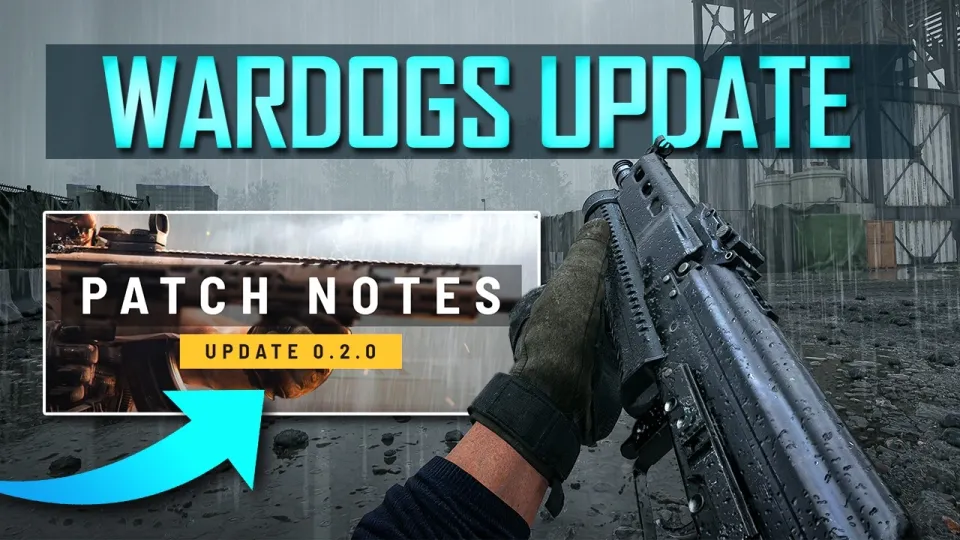
Video: WARDOGS New Season 2 Update ► EVERYTHING You Need To Know
You can order the same kind of articles for your own video to boost it on YouTube and Google. Just message the Telegram bot @sat_sit_bot. Articles with your video embedded are written and posted by the bot itself — on popular topical sites (no ads). Try it free: 50 articles on us.
· based on the channel GhostGaming
Key takeaways
- Wardogs Season 2 landed on 14 October 2026 with update 0.2 and a full economy rebalance.
- A pallet delivered at a 10 streak now pays $1,250 base plus a $2,500 bonus, with the streak bonus calculated outside the combat zone.
- FOB building was nerfed across the board, so the same base takes roughly three to four times the work for comparable returns.
- The minigun Little Bird costs $14,000 fully loaded with three flares, and the .50 cal damage was cut by 16%.
- The SKS Bipod went from $800 to $810, one of the smallest line items in the patch.
The Wardogs Season 2 update is a full economy rebalance, not a content drop: supply deliveries pay more per pallet at high streaks, but FOB construction, helicopters and most vehicles now cost noticeably more effort to turn a profit. To stay ahead you should re-plan your money-making loop around infantry combat and high-streak logistics runs, check the official patch notes before your first match, and treat base building as a team job rather than a solo grind.
GhostGaming's breakdown of the patch walks through the numbers, and the GhostGaming Twitch channel is where the live testing happens as players settle into the new meta.
What changed in the Wardogs Season 2 update
Season 2 (update 0.2) rewrites the reward side of the game rather than adding new maps. The headline change is the logistics payout formula: a pallet delivered at a 10 streak now pays $1,250 base plus a $2,500 bonus, and the streak value is counted outside the combat zone so the numbers on the scoreboard match what you actually bank. That correction matters, because the first figures shown for streaks were misleading and were fixed in the patch notes.
Everything else in the patch follows the same logic of pushing players toward risk. Weapons and optics were adjusted, anti-air options were broadened with a new vehicle, and vehicle prices moved up. The overall effect is that money is easier for players who fight and harder for players who only drive.
How the logistics and FOB changes affect your income
Driving a truck is now a high-skill, high-streak job instead of a safe passive income. With the new formula, a single pallet at a 10 streak is worth $3,750 total, so a run that keeps its streak alive pays far better than the old flat rates. The catch is that the bonus scales with the streak, which means the player who delivers one pallet after a long safe loop earns much less than the player who chains deliveries without dying.
The FOB side went the other way. Building was nerfed heavily enough that the same base now takes roughly three to four times the work for comparable returns, and reports from the community describe convoys of 15 trucks dropping close to 100 pallets at a tower while only two people were available to hammer walls up. The practical lesson: if nobody on your team wants to build, supplies pile up unused, and if nobody wants to drive, the base goes dry.
How vehicle and helicopter prices change the risk
Flying is more expensive and more dangerous in equal measure. The minigun Little Bird now costs $14,000 fully loaded with three flares, and a single mistake can wipe out thousands in value before you earn anything back. The .50 cal damage was cut by 16%, which is enough that tier 2 armor can survive a hit from the end-game sniper rifle, so the old habit of hovering and trading shots is much less forgiving.
Anti-air got broader coverage at the same time, with a new anti-air vehicle joining the roster alongside existing options and turret-mounted guns that punish low passes. For pilots, the sensible approach is to fly with a purpose, conserve flares, and avoid hovering over objectives that have working AA. For everyone else, the higher vehicle prices mean a destroyed truck or helicopter hurts the enemy economy more than it used to.
Which weapon and optic tweaks matter most
Small numbers on paper can change a fight. The 16% reduction to .50 cal damage shifts the sniper duel, and the hit zones on the X model refer to the head and neck area, so aiming for center mass with a heavy rifle is now a waste of a shot against tier 2 armor. The SKS Bipod moved from $800 to $810, a change so small it is effectively cosmetic and a useful reminder that not every line in the patch notes is a balance decision.
Optics drew the loudest complaints. Several minimal, low-zoom sights are locked behind late progression, which means players who simply want a clean red dot have to grind for it. If you are levelling a class for a specific sight, check its unlock tier before you commit, because the driver and infantry progression curves were both adjusted.
What the community is worried about
The most common concern is that logistics and FOB building become dead roles. The argument is straightforward: driving a truck for an entire match without seeing action was already unpopular, and now the pay depends on maintaining a streak, so short opportunistic deliveries earn less than fighting. If that holds, bases will run out of ammo and FOBs will stop appearing near the end of a season.
A second worry is pilot viability. With a $14,000 minigun helicopter, more anti-air on the field and a weaker .50 cal, players who already hesitated to buy an attack helicopter may skip it entirely. The counter-argument is that cheaper or more available AA cuts both ways, and a helicopter that survives longer early in the season can still pay for itself. A third theme is progression: the driver level curve and the late optic unlocks feel like the same grind with new numbers.
Step-by-step plan for your first Season 2 session
- Read the full patch notes before queueing, especially the corrected streak payout table, so you know what a delivery is actually worth.
- Pick one money loop and commit: infantry fighting for steady income, or logistics with a streak you protect.
- If you drive, plan short round trips and avoid dying between drop-offs, since the bonus is where the profit lives.
- If you build, bring at least two or three players with hammers, because supplies alone will not get walls up in time.
- If you fly, budget for flares and a full load, and pick targets away from anti-air coverage.
- Check your optic unlock tiers before grinding a class, and test the .50 cal changes in a live match rather than trusting old habits.
Official links from the breakdown
- GhostGaming on Twitch
- GhostGaming on Twitter
- GhostGaming Discord
- GhostGaming on TikTok
- Full Wardogs Season 2 patch notes on Steam
Bottom line on the Wardogs Season 2 update
Season 2 rewards risk and punishes routine. Supply runs pay well only when you protect a streak, base building costs far more labour than before, and helicopters are a bigger financial gamble with more anti-air waiting for them. Infantry players come out of the patch in the best position, while drivers and builders need teammates to make the numbers work. GhostGaming's video breakdown is the fastest way to see the changed values side by side, and you can follow the live testing on the GhostGaming Twitch stream before your next match.
Questions & answers
How much does a supply pallet pay in Wardogs Season 2?
A pallet delivered at a 10 streak pays $1,250 base plus a $2,500 bonus, for $3,750 total. The streak is counted outside the combat zone, and the corrected figures are listed in the official patch notes rather than the earlier in-game display.
Is logistics still worth doing after the Season 2 nerfs?
Only if you protect your streak and keep trips short. The base pay is low, so most of the profit comes from the streak bonus, and a driver who dies between drop-offs loses that multiplier. Players who want steady income without the risk are better off fighting.
Why is the minigun Little Bird more expensive?
A fully loaded minigun helicopter with three flares now costs $14,000, and the .50 cal damage was reduced by 16%. The higher price reflects the fact that a single mistake can cost thousands, so the developers priced the airframe around its potential rather than its average outcome.
Did the Season 2 update add new anti-air options?
Yes. A new anti-air vehicle joins the roster, and existing turret-mounted guns also make low passes riskier. Pilots should expect more threats on the map and plan routes that avoid defended objectives.
Source: WARDOGS New Season 2 Update ► EVERYTHING You Need To Know · Markdown version